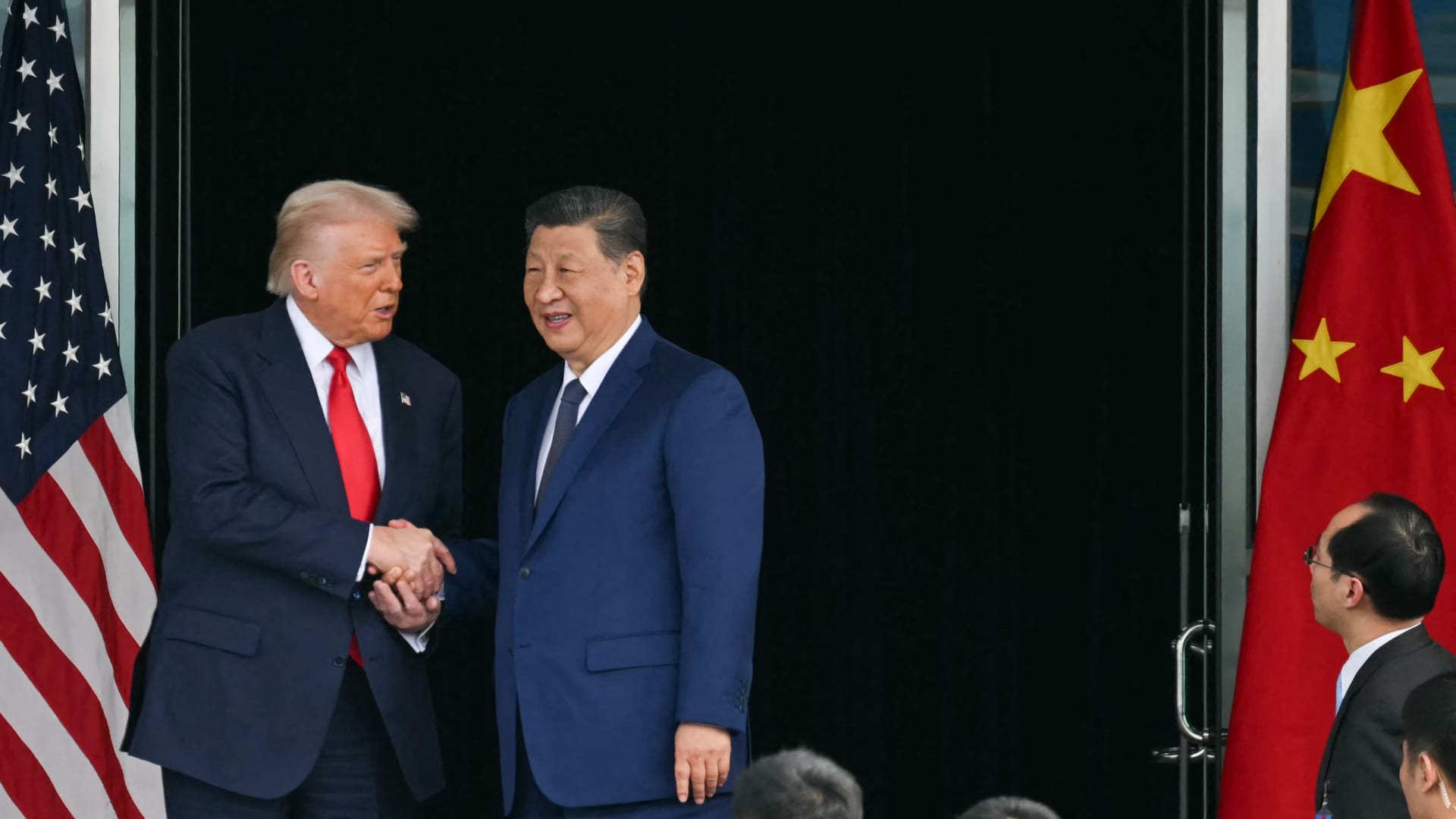
US President Donald Trump (L) and China's President Xi Jinping shake hands as they leave after their talks at the Gimhae Air Base, located next to the Gimhae International Airport in Busan on October 30, 2025. Andrew Caballero-reynolds | Afp | Getty Images Hello, this is Hui Jie writing to you from Singapore. Welcome to another edition of CNBC's Daily Open.
Former Chinese leader Deng Xiaoping once said: It does not matter if its a white cat, or a black cat. As long as it can catch mice, it is a good cat. The same idea might apply to Thursday's summit between U.S.
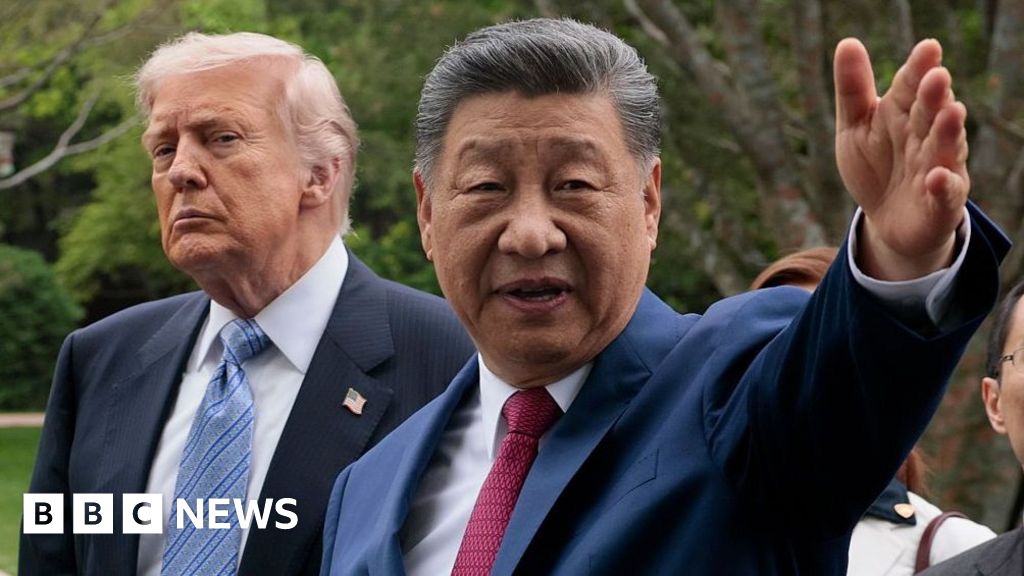
President Donald Trump and Chinese President Xi Jinping — few expect the two sides to settle every disagreement that they have, but from the two leaders' opening remarks, Beijing and Washington seem committed to reducing tensions. And that might be enough to make it a good summit. What you need to know today By the time you read this, both U.S.
President Donald Trump and Chinese President Xi Jinping would have moved from the negotiating table to the dinner table. The summit between the two leaders so far has seemed cordial, with Xi saying that U.S. and Chinese interests are “deeply intertwined” and that their competition "should be a healthy one and should be kept within bounds." Trump, on his part, mentioned that the two sides are "working to encourage a more balanced trading relationship," and that the leaders plan to discuss "pressing issues" around security, technology and AI. "The decisions we make in these areas today can promote peace and prosperity for decades and decades to come," Trump added.
Even the dinner menu seemed reflective of the priorities of the meeting. The White House described the state dinner menu as a showcase of “American ingredients with subtle Chinese influence.” Perhaps the goal will be — like the menu — to keep domestic priorities at the center, but permit a little influence from the other side. Guests include a slew of high powered U.S.
CEOs like Apple 's Tim Cook, Nvidia 's Jensen Huang and his wife, as well as Tesla's Elon Musk and AMD's Lisa Su. Meta and OpenAI were also among the other major U.S. tech companies represented. Chinese business leaders were previously expected to attend the dinner , but a source briefed on the preparations told CNBC that they weren't aware of any Chinese companies who have been invited to join Xi on his trip.
But for all the pomp and ceremony, China analysts broadly predict the leaders' personal relationship and policy goals will result in a cautious summit that yields few major deliverables. Some headway That said, there was already some progress made before the two leaders sat down. China’s Commerce Ministry confirmed that senior U.S. and Chinese negotiators held their first dialogue dedicated to artificial intelligence .
Treasury Secretary Scott Bessent and Chinese Vice Premier He Lifeng discussed establishing a mechanism through which the countries could alert each other to AI-related risks. Their talks also covered tariff reductions and an extension of trade arrangements reached last October. Bessent said the countries had agreed to extend their truce until January , preserving lower tariffs and limits on Chinese export controls covering rare earths.
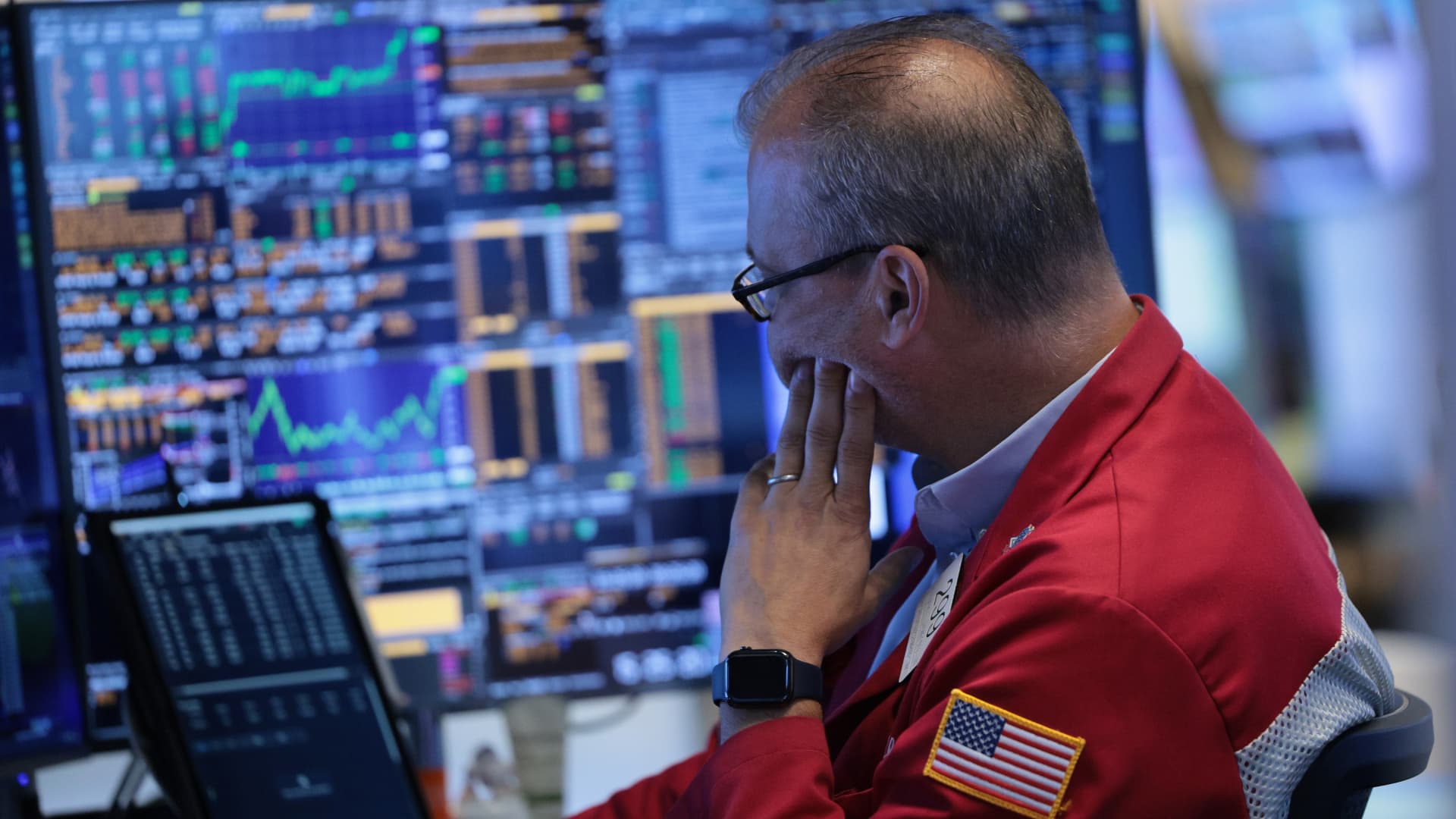
Bond markets worry But while optimism abounded on the summit front, bond markets seemed to be looking elsewhere. Treasury yields hit multidecade highs on Thursday as investors bet that another rate hike from the Federal Reserve would be coming. Most notably, the 30-year Treasury bond yield reached a high of 5.501%, a level not seen since June 2004.
The benchmark 10-year Treasury note yield climbed to its highest level since June 2007, at a high of 5.223%. The surge in yields put pressure on stocks, with the Dow Jones Industrial Average sliding 0.31% to notch a third straight losing session. The S&P 500 and Nasdaq Composite were flat.
However, the losses were offset after Reuters, citing sources, reported that U.S. and Iranian negotiators in New York are considering a deal that would bring a phased end to the conflict in the Middle East. The reported deal would see Iran reopen the Strait of Hormuz and the U.S. lift its economic blockade on Tehran. Crude prices came off their session highs following the news, although prices remained elevated.
Brent gained 2.5% to $105.69 a barrel, while West Texas Intermediate rose 2.3% to $94.30. Oil slipped in early Asia trade on Friday, with both benchmarks falling. The reported deal does not mean that peace is definitely on the horizon.
In Washington, the Senate narrowly rejected a resolution directing Trump to end the Iran war or seek congressional authorization to continue it. The measure failed 49-50. Four Republicans joined most Democrats in supporting it, while Democratic Sen.
John Fetterman voted against it. And finally... Global debt tops $365 trillion as economists sound alarm over ‘vicious cycle’ Ever-higher costs to service mounting debt loads pose a major risk to governments around the world, economists have warned.
Global debt rose by $10 trillion in the first half of the year to top $365 trillion, according to research published by the Institute of International Finance on Wednesday. Debt has become a political issue, creating a "vicious cycle between elections and short-term quick fixes, and a long-term vulnerability as the marginal utility of higher debt diminishes," the IIF warned. — Jenni Reid
Source: CNBC