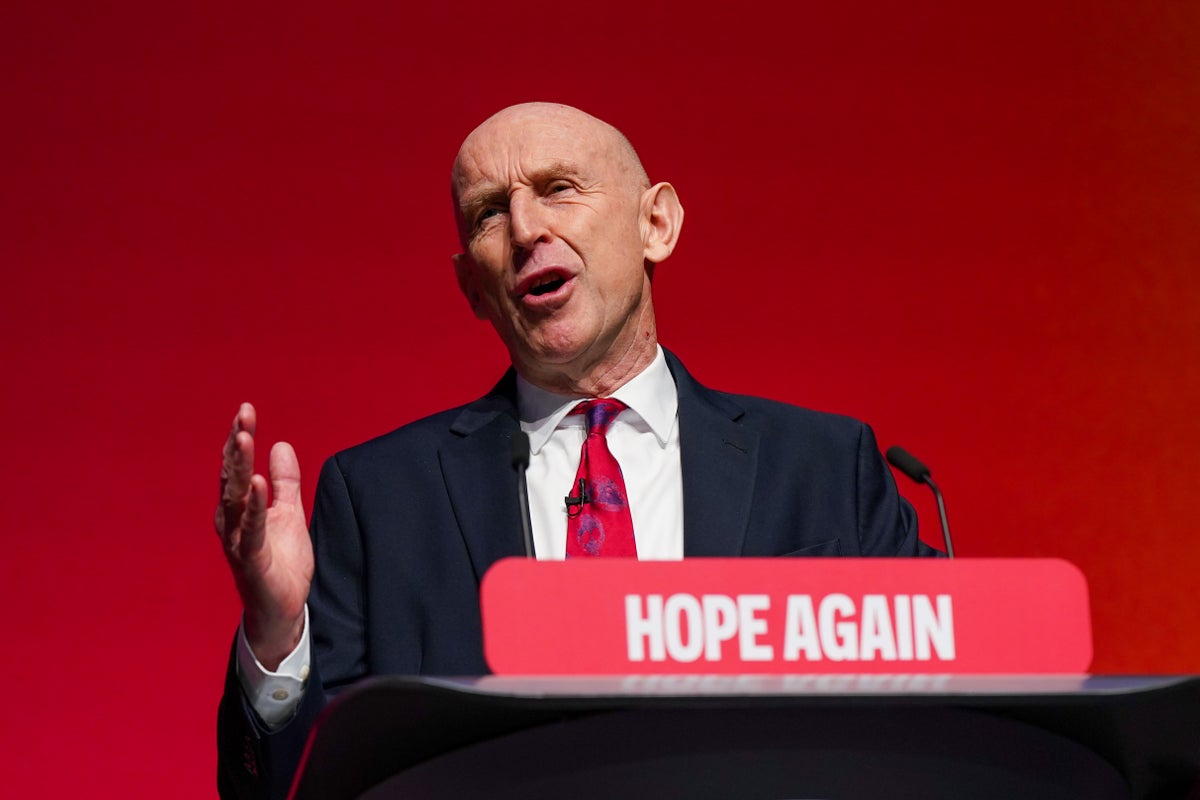
Chancellor John Healey ’s first Budget on 28 October is fast approaching and could change the amount of money you have each month. Tax changes are near certain, the only question is where they will land. Labour is under pressure to better balance the country’s books, as government borrowing continues to rise, which means either cutting spending or raising the amount of tax it brings in.
Mr Healey has been careful not to make any firm commitments before he delivers his speech in the House of Commons, but there are some clues on what to expect. Income tax for NEETs and 100k cliff edge Labour committed not to raise the income tax rate in its manifesto so increases to the headline rates are unlikely. Leaving the bands unchanged would however effectively result a tax hike, due to wage rises, pushing more people into a higher band each year.
There may be some tweaks around the costs of hiring young people, or the so-called £100,000 cliff-edge which sees couples lose the personal allowance and right to free childcare. Elsa Littlewood, private client services tax partner at accountancy firm BDO, said: “Although the prime minister has previously floated the idea of increasing the income tax personal allowance, the costs of doing so are likely to mean the chancellor looks to other measures to ease the cost of living. John Healey is set to announce his first Budget (Getty) “We would expect to see specific measures targeting young taxpayers, like cutting income tax or employee NIC for three years for those entering work for the first time.
Invest at least £100 in Stocks or ETFs of your choice. Get fractional shares worth £50! Terms and conditions apply.
Go to website ADVERTISEMENT Invest at least £100 in Stocks or ETFs of your choice. Get fractional shares worth £50! Terms and conditions apply.
Go to website ADVERTISEMENT “This would give a clear incentive to NEETS [people aged 16-24 who are not in education, employment or training] to enter the workforce and could incentivise employers to increase employment.” Ms Littlewood added that the 100k cliff-edge creates a “perverse distortion” whereby people entering or progressing into higher-salaried roles are penalised and can face an effective marginal tax rate of around 60 per cent. Stamp Duty The property market is front of mind for any chancellor, given its central role in people’s finances and the economy. Chancellors are always keen to be seen as helping people ‘get on the property ladder’ so it would not be a surprise to see some tweaks to tax here.
Data from tax filing platform Taxd in a report on what British taxpayers would change in the tax system, found that among respondents who chose stamp duty as the tax they would tackle first, 67 per cent said they would scrap it completely, while 20 per cent wanted reform and 13 per cent would cut it. Inheritance tax This is always a political football that gets kicked around near the Budget, but there have not been any clear signals of change in the short term. “With the political pain of the IHT changes for farmers and business owners fresh in the memory and with more controversy surrounding IHT on pensions coming into force from April 2027, you might think that the government would want to steer clear of further reforms,” said Ms Littlewood.
“Yet, the prime minister has said he is prepared to expend political capital to get a national care service up and running. “As Baroness Casey’s independent commission on adult social care is not due to report until 2027, and the prime minister’s recent conference speech indicating that funding for a national care service will come in part from changes to the triple lock after the next election, any further tax moves are likely to be delayed until a future Budget.” Reversing Reeves' pensions cap The state pension triple lock has been put firmly on the table for a change by Prime Minister Andy Burham, but not right now. 2030 was the date mentioned. Tweaks to the rules on private sector pensions are possible though, if not likely.
“In the lead-up to the Budget, we are likely to see continued speculation around individuals’ pension tax-free cash entitlements,” Ms Littlewood said. “However, given the uproar caused by (former chancellor) Rachel Reeves announcing a capping of pension salary sacrifice arrangements from 2029, we believe that any major changes to pensions at Budget 2026 are an outside chance.” “In our view, a reversal of the announced changes to salary sacrifice arrangement would be very welcome as it would help restore confidence in pensions saving at a time when we know that people aren’t putting enough away for their retirement.” Ms Reeves raised capital gains tax from 10 per cent to 18 per cent for the basic rate and 20 per cent to 24 per cent at the higher rate. It is possible Mr Healey will try to squeeze more out of this area, although experts see that as likely to backfire.
When capital gains rates reach a certain level that people are not willing to bear, they reduce or eliminate sales of assets and the amount raised falls. Instead of raising the rate, Chris Etherington, private client tax partner, RSM UK said the chancellor could look at how assets are taxed at death. “An alternative approach of removing the forgiveness of CGT at death, meaning that capital gains would not be effectively wiped out on death, is more certain to raise funds in the short-term and could generate more in tax receipts in the future,” he said.
Source: The Independent