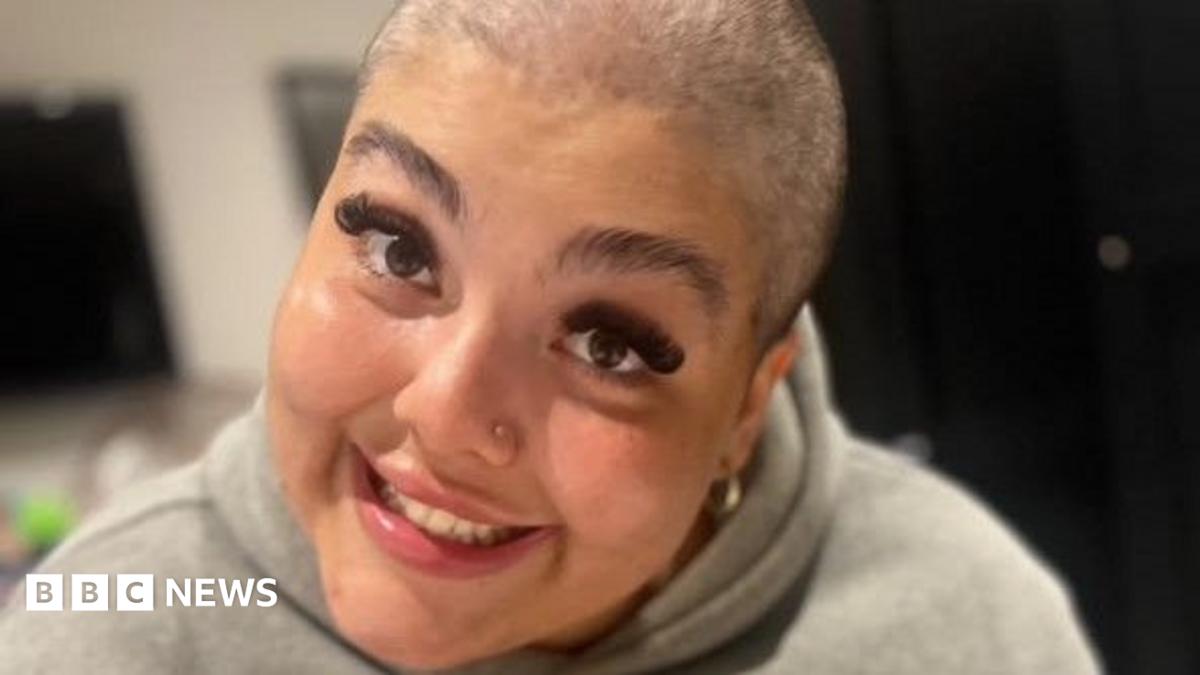
Image source, Supplied Image caption, Harriet Tsadioti was a very rare case, as she was likely as young as 19 when the cancer appeared By Henry Godfrey-Evans Essex Breast cancer is the most common form of cancer in the UK but is rare in younger women. Women in their 20s accounted for only 250 (0.5%) of the 50,535 cases in England in 2023 , external , and only three women aged 19 or under were diagnosed that year, according to the National Disease Registration Service. But charities and survivors insist it is "crucial" to keep checking yourself.
NHS data examined recently by the BBC's Panorama showed the number of younger adults getting cancer, including breast cancer, is rising. Cases increased from 42 per 100,000 women under the age of 50 in 2001, to 47.5 in 2023. While not finding a definitive reason, the programme raised possible theories such as diet, obesity and chemicals in products and the environment.
The BBC has been getting the perspective of women diagnosed with the disease at a young age. 'Cancer gave me a new outlook on life' Image source, Supplied Image caption, Tsadioti was at university when she was diagnosed and had to leave her dancing career behind "I've had people in my life that have been diagnosed with breast cancer. It's actually been one of my biggest fears growing up," says Harriet Tsadioti, from Brentwood, Essex. She was diagnosed aged 20 but her surgeon told the BBC that her tumour was likely there when she was 19.
Tsadioti was at university when her face started swelling up and she noticed a rash under her left breast. However, she thought the rash was caused by her dancing and says nothing her GP tried worked. "When you're sweating for, like, eight hours a day in sports bras and leotards and all of that, that's what your mind goes to straight away," she says.
She first noticed a lump when she was in the shower and her mum told her to keep an eye on it. On holiday together, she felt her daughter's lump and encouraged her to speak to her GP. "I hate to think what situation I'd be in now if it was six months later," says Tsadioti, now 24.
Details of support with cancer are available at BBC Action Line . Image source, Channel 5 Image caption, Surgeon Sascha Dua specialises in reconstructive breast surgery at Broomfield Hospital in Chelmsford Tsadioti says she was "lucky" to have had private treatment, but dreads to think what could have happened otherwise. She was referred to surgeon Sascha Dua, who says there were "lots of hugs and tears" on the day of diagnosis.
"When a girl in her 20s is diagnosed with breast cancer, it shocks the whole department," she says. "When I saw the scan results, I couldn't believe it. I was so shocked that I asked another radiologist for a second opinion.
And sadly, he agreed that the lump was suspicious." Tsadioti needed a lumpectomy, which involves removing the area around the lump while leaving the breast intact. Dua tried to aid her dancing career with a breast reduction on both sides, as she was "heavy-breasted" anyway, but Tsadioti was forced to it abandon it before it had even started. Image source, Supplied Image caption, Tsadioti urges women not to ignore the signs of breast cancer Tsadioti had 16 rounds of chemotherapy across four months.
Now she is a travel concierge manager and takes tablets to reduce oestrogen production as the hormone risks causing her cancer to return. She looks back at her time with cancer as "possibly the best and worst thing that's ever happened to me". While it was tough leaving a dancing career that she "worked so hard for", she says it gave her the "best possible outlook" on life.
And she urges women not to ignore the signs of breast cancer even if they feel they are too young to have it. "We can't keep living by statistics forever because we're going to end up losing lives," she says. 'My story might have been quite different' Image source, Supplied Image caption, Ellie Lathrope is in the middle of a three-month round of chemotherapy Breast cancer treatment has a high chance of inducing medical menopause, which makes having children much more difficult. This was a lot for Ellie Lathrope, 28, to take in as she had been planning to start a family with her long-term partner.
She is currently undergoing chemotherapy while continuing her work as a retail media expert from home in Chelmsford. To keep open the possibility of having children, she underwent IVF treatment, had eggs retrieved and had embryos created. Image source, Supplied Image caption, Lathrope continues to work through chemotherapy She was diagnosed in June, but says doctors were not initially concerned until the radiologist pointed out "jagged corners" on the mass in her breast.
They decided to carry out a biopsy to be "on the safe side". She says it was "quite scary" to think how close they were to leaving it. "My story might have been quite different," she says.
She had a full mastectomy – the removal of a single breast – and will be on hormone replacement therapy for more than a decade. She was also treated by Dua, saying she could not thank her enough, and describing her as the "kindest, most caring" person. After the PET (positron emission tomography) scan, which can see how the body's cells behave, she was "very, very grateful" to learn that her cancer had not spread.
Her message to young women is: "Trust your body and know when something's wrong." 'I just knew' Nikki Kilpin, from Chelmsford, says that although her aunt received a diagnosis in her 40s, breast cancer was never anything she or her family talked about. But she says when she received her diagnosis at 28, "I just knew." She says her only symptom had been a pain in her arm that bothered her one day, before she noticed a mass. "Something just made me think that it was [cancer], right from the day that I found the lump," she says.
She admits she is an anxious person and turned up at the doctor's "hysterical", to be told it was "probably just a cyst". As well as radiotherapy and chemotherapy, Kilpin required a lumpectomy and 10 years of hormone replacement treatment. Now 44, she tells her daughters – who are 18, 20 and 24 – to check themselves during the first shower of the month.
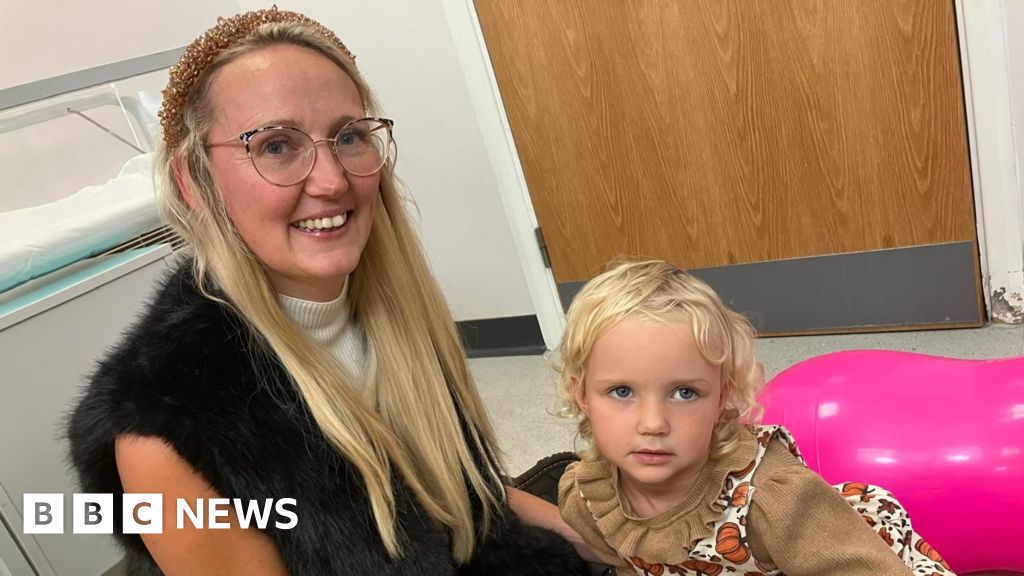
"It's trying to get them to do that but also not scare them, because you can find a lump and it isn't breast cancer, so it's finding that balance," she says. Image source, Supplied Image caption, Nikki Kilpin encourages her daughters Chloe, Paige and Kaci (left to right) to check themselves for lumps on the first of the month Dr Kerri Palmer-Quinn, science manager at Breast Cancer UK, says while breast cancer is rare in young people, there are several ways people can reduce risk. "Alcohol is one factor worth knowing about as drinking any amount can increase breast cancer risk," she says.
She recommends choosing alcohol-free options or alternating with non-alcoholic drinks. "We also recommend being aware of endocrine-disrupting chemicals (EDCs), which are found in numerous everyday items including cosmetics and personal-care products." She recommends trying to use fewer products, checking labels and choosing fragrance-free options where possible. Caroline Geraghty, senior cancer nurse manager at Cancer Research UK, says: "At a stage of life when many young women are studying, building careers, developing relationships or thinking about starting a family, cancer and its treatment can have a significant impact." Vic Kessell, clinical nurse specialist for younger women at Breast Cancer Now, says: "Although breast cancer in younger women is uncommon, it's crucial that all women regularly check their breasts and get to know how they normally feel." As well as lumps, she says there are other things to look out for, such as "dimpling or puckering" of the skin, or changes to the nipple.
She adds that contacting your GP as fast as possible can make a huge difference to the success of your treatment. Do you have a story suggestion for Essex? Contact us below.
Get in touch Your Voice
Source: BBC