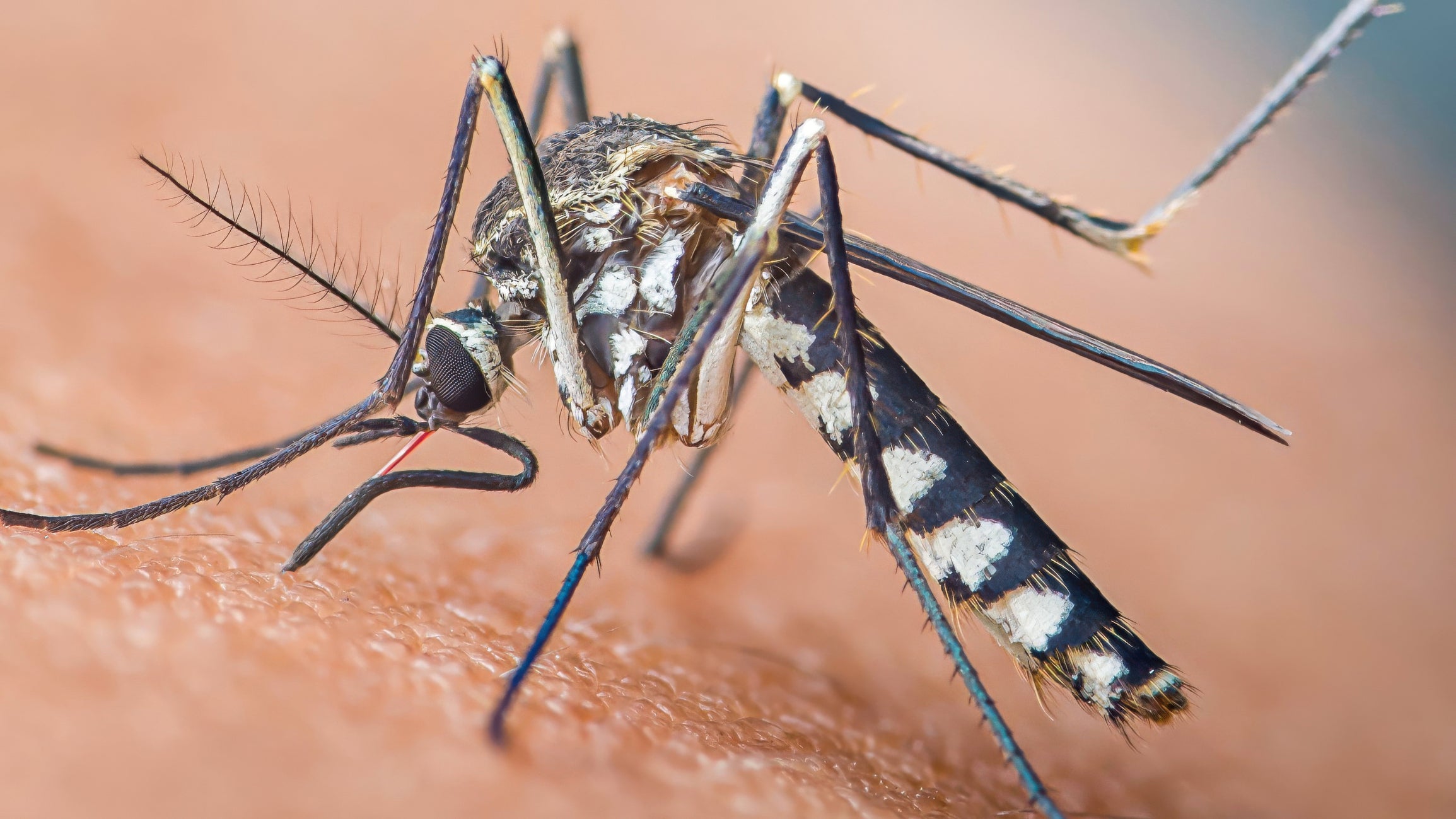
An invasive species of mosquito known to transmit diseases such as dengue and Zika virus has been discovered breeding in the UK. The UK Health Security Agency (UKHSA) has increased surveillance and trapping efforts after adult insects and larvae were found at residential properties in east London. It’s too cold in the UK for Aedes aegypti mosquitoes to establish long-term, and health officials have said the risk to the public remains low.
Control measures have now been put in place to destroy the larvae. However, this species of mosquito can transmit Zika, chikungunya, and dengue, which are mainly found in tropical and subtropical parts of the world. Aedes aegypti mosquitoes are usually found in tropical regions.
While some cases of these viruses are mild, some people are hospitalized following infections. Zika virus is usually caught by being bitten by an infected mosquito and can cause a high temperature, headache, red eyes, swollen joints, muscle pain, lower back pain, and a rash. In most cases, the virus causes mild symptoms that go away after rest and are not harmful, but it can cause problems in pregnant women, including baby loss, premature birth, stillbirth, and issues with the baby’s brain, hearing, and eyesight.
Dengue, spread through mosquitoes, can cause a high temperature, rash, swollen glands, joint pain, and headaches. Some people experience more severe symptoms a few days after initial illness, though this is rare. Chikungunya can similarly cause muscle pain, headache, nausea, fatigue, and a rash, with most people recovering within a few days or weeks.
Experts reassure that the risk of Zika, chikungunya, and dengue to the UK population remains very low. One reason is that these mosquitoes primarily survive in tropical regions. Professor Heather Ferguson, University of Glasgow, explained that sustained warm temperatures over a long period and a large number of mosquitoes would be needed for efficient transmission.
She also noted that these mosquitoes would need to bite people who had acquired the diseases outside the UK. The NHS warns that Zika virus during pregnancy can cause serious complications. Dr David Weetman, Liverpool School of Tropical Medicine, explained that only a very small portion of mosquitoes are infected with these diseases, and there is no significant reservoir in human populations outside southern Europe, with Italy and coastal southern France being the worst affected by chikungunya.
The risk of infection from a UK mosquito bite is extremely low. Additionally, the UK has at least 20 native mosquito species, which have been part of the ecosystem for longer than humans. Experts also discuss the potential impact of climate change and global movement on introducing more invasive mosquito species.
Dr Steven White, UK Centre for Ecology & Hydrology, warns about the 'tiger mosquito,' Aedes albopictus, which is spreading in continental Europe and has caused outbreaks of dengue and chikungunya in countries like France and Italy. This species is more cold-tolerant and may establish in the UK in the near future.
Source: The Independent