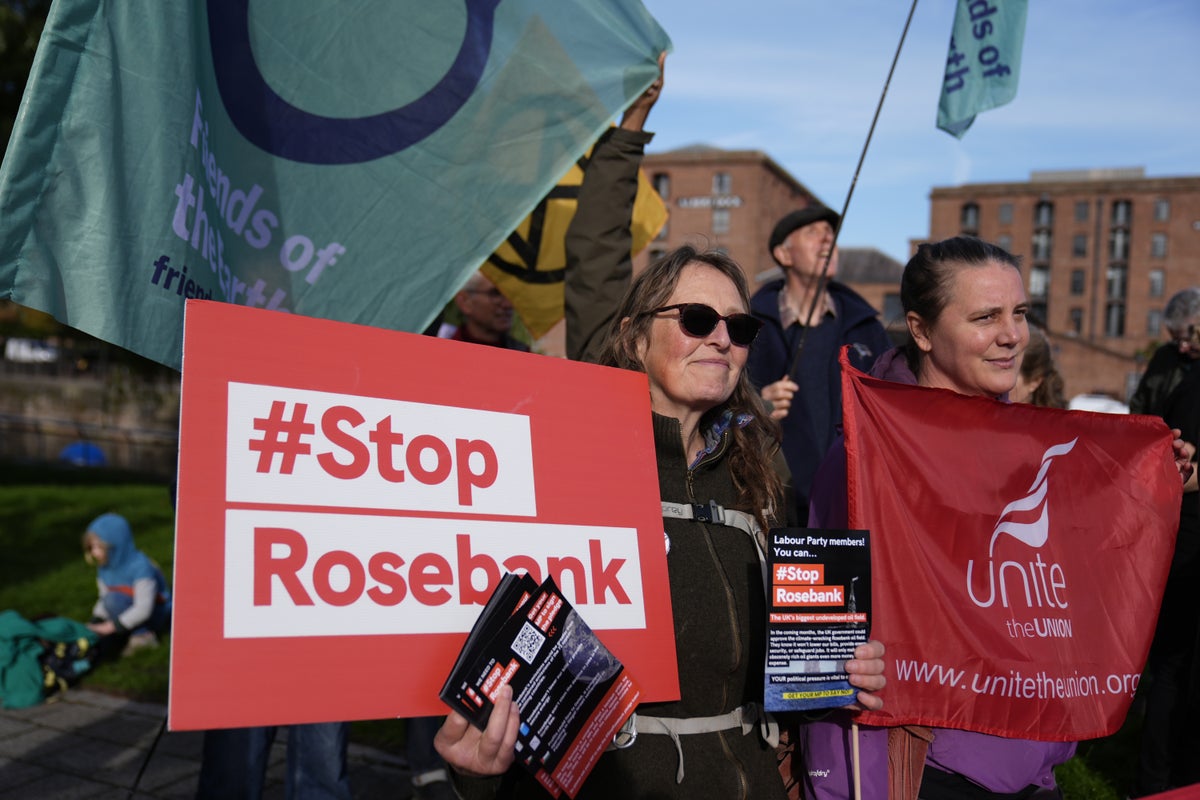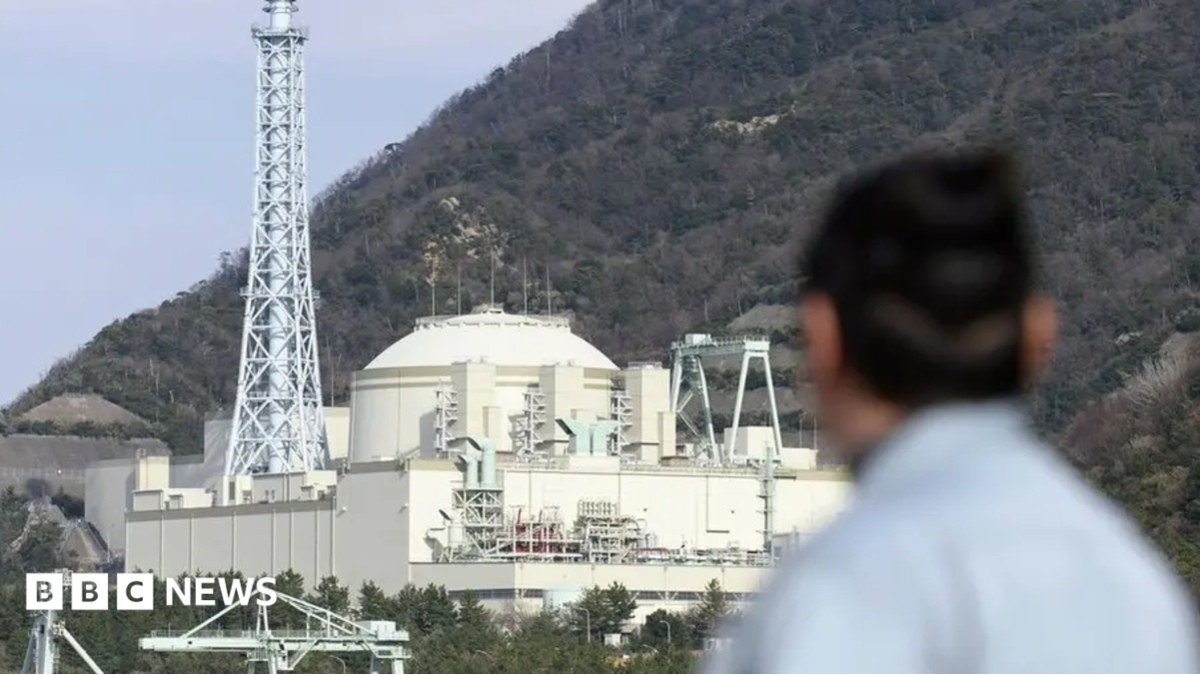
Plans to clean up coolant from a Japanese nuclear reactor have been opposed by more than 900 people, a campaigning group has said. Cavendish Nuclear and Amentum want to build a facility at the Port of Workington, Cumbria, to support the decommissioning of the Monju Prototype Fast Breeder Reactor (FBR), in Fukui Prefecture, Japan. Marianne Birkby, of Radiation Free Lakeland, said the scheme was "dangerous" and its online petition, calling for the waste to stay in Japan, had been signed by hundreds of people.
Alkali Metal Processing (AMP), the company behind the project, said it wanted the work to take place in the county because of its specialist expertise. Cumberland Council, which owns the port, said it would use £4.5m of Town Deal funding to prepare land at the port and neighbouring Oldside for wider development. The plan involves bringing the coolant to Workington where it would be converted into sodium hydroxide, also known as caustic soda, which is used in cleaning products and manufacturing.
AMP, a joint venture between Cavendish Nuclear and Amentum said the work was being undertaken in the UK because of the "specialist technical expertise across our respective organisations". Birkby said: "Why bring this waste over here? It doesn't make any sense whatsoever and it's very dangerous." Cavendish Nuclear had previously said the material presents no radiological hazards.
Japan's Atomic Energy Agency said sodium from one of Monju's cooling circuits became radioactive, although at very low levels, while sodium from another circuit did not. Sodium metal is also highly reactive, particularly when it comes into contact with water. AMP said transport arrangements and radiological safety were being developed in accordance with UK regulatory requirements, with appropriate controls and oversight in Japan.
It did not provide transport details or radiological test results. AMP said construction of the facility was expected to be worth more than £25m, with about 20 people employed during its seven-year operation. The council said the project would be subject to relevant planning and regulatory approvals.
Exports of sodium from Japan have been planned for between 2028 and 2031 but AMP said the facility's operating start date had not been confirmed. Follow BBC Cumbria on X , external , Facebook , external , Nextdoor and Instagram , external and listen to Radio Cumbria on BBC Sounds.
Source: BBC